15 Testosterone-Boosting Foods to Add to Your Grocery List This Week
T-Boost Scan Team
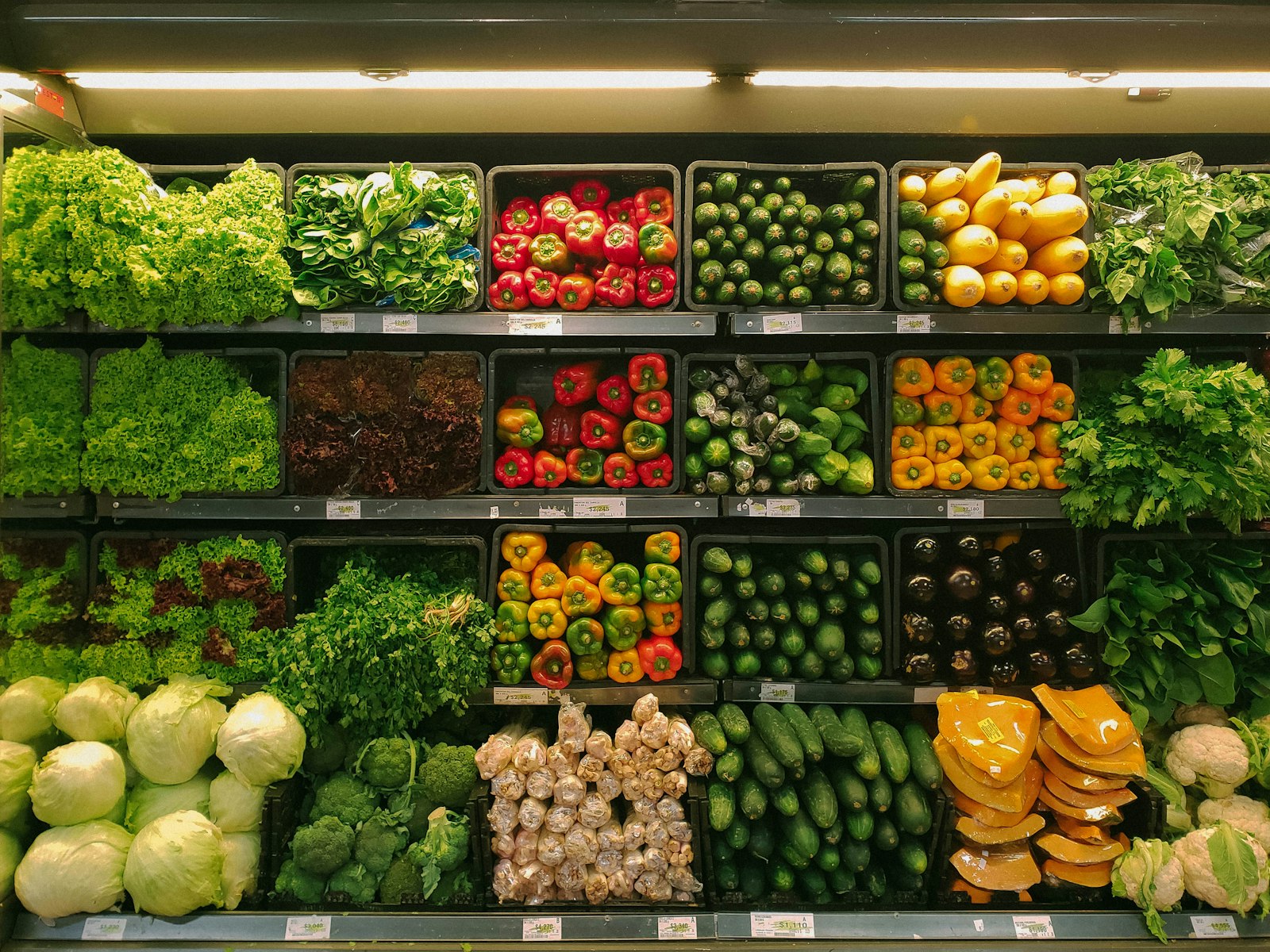
You don’t need a complete diet overhaul to support your testosterone. You need better defaults — a handful of swaps that stack up over weeks and months. This list is designed to be practical: 15 foods organized by category, so you can scan this before your next grocery run and walk out with a cart that’s actually working for you.
Every food here is backed by peer-reviewed research linking it to hormonal health, micronutrient support, or reduced exposure to endocrine-disrupting compounds. If you want to know exactly how each food scores, scan it with T-Boost Scan and see the T-Impact instantly.
Proteins
1. Whole Eggs
Eggs are one of the most complete foods for testosterone support. The yolk contains cholesterol — the literal precursor your body uses to synthesize testosterone — plus vitamin D, selenium, and B vitamins. A study in the Journal of Steroid Biochemistry found that dietary cholesterol from whole eggs did not negatively impact cardiovascular markers while supporting hormonal pathways. Skip the egg-white-only trend.
2. Wild-Caught Salmon
Rich in omega-3 fatty acids and one of the best dietary sources of vitamin D. A 2011 study found that men who supplemented with vitamin D saw significant increases in total testosterone over 12 months. Wild-caught beats farmed — fewer contaminants, better omega-3 to omega-6 ratio.
3. Grass-Fed Beef
Delivers zinc, iron, B12, and saturated fat — all of which support testosterone production. Zinc in particular is critical: a deficiency directly suppresses T-levels, and red meat is one of the most bioavailable sources. Choose grass-fed when possible for a cleaner fatty acid profile.
4. Oysters
The single highest food source of zinc per serving. Six medium oysters deliver roughly 32mg of zinc — nearly 300% of the daily value. The connection between zinc and testosterone is well-established in the clinical literature. Even once a week makes a measurable difference.
Healthy Fats
5. Extra Virgin Olive Oil
A staple of the Mediterranean diet and a documented testosterone supporter. A small but notable study in the Journal of Lipid Research found that men who consumed EVOO as their primary fat source showed higher T-levels than those relying on seed oils. Use it for cooking and dressings — replace canola and vegetable oil entirely.
6. Avocados
Loaded with monounsaturated fats, magnesium, and boron — a trace mineral shown to increase free testosterone in multiple studies. One medium avocado covers about 15% of your daily magnesium needs. Good on its own, better on everything.
7. Brazil Nuts
The richest natural source of selenium — just 2–3 nuts per day covers your entire daily requirement. Selenium supports thyroid function and acts as an antioxidant in testicular tissue. Research published in the Journal of Trace Elements in Medicine and Biology links adequate selenium levels to improved sperm quality and hormonal balance.
→ Scan Your Food with T-Boost Scan
Produce
8. Spinach
One of the best plant sources of magnesium, which has a direct relationship with testosterone. A 2010 study found that magnesium supplementation increased both free and total testosterone in athletes and sedentary men. Two cups of raw spinach delivers about 45mg of magnesium — toss it in a smoothie or scramble.
9. Pomegranates
Rich in antioxidants that reduce oxidative stress on Leydig cells — the cells in your testes responsible for producing testosterone. A study from Queen Margaret University found that daily pomegranate juice consumption increased salivary testosterone by an average of 24% over two weeks.
10. Cruciferous Vegetables (Broccoli, Cauliflower, Brussels Sprouts)
These contain indole-3-carbinol (I3C), a compound that helps your body metabolize excess estrogen. By reducing estrogen dominance, cruciferous vegetables indirectly support a healthier testosterone-to-estrogen ratio. Steam or roast them — boiling reduces I3C content significantly.
11. Garlic
Contains allicin, which research in the Journal of Nutrition has shown can lower cortisol levels. Since cortisol and testosterone compete for the same precursor pathways, reducing cortisol creates more room for T-production. Use it raw or lightly cooked for maximum potency.
12. Bananas
A solid source of B vitamins and bromelain — an enzyme that some research suggests may support testosterone maintenance during intense exercise. They’re also a convenient, clean-carb pre-workout option. No controversial ingredients, high T-Impact score when you scan them.
Spices and Extras
13. Ginger
One of the most researched natural T-supporters. A 2018 systematic review of human and animal studies concluded that ginger supplementation consistently enhanced testosterone production, likely through antioxidant mechanisms and improved blood flow to testicular tissue. Add fresh ginger to smoothies, stir-fries, or tea.
14. Honey (Raw, Unprocessed)
Raw honey contains boron, chrysin (a flavonoid that may inhibit aromatase), and natural sugars that support post-workout recovery without the endocrine-disrupting additives found in processed sweeteners. A tablespoon in your morning coffee or post-workout shake is enough. Check the label — many commercial honeys are cut with corn syrup. Scan the ingredient list to verify what you’re actually getting.
15. Dark Chocolate (85%+ Cacao)
High in magnesium, zinc, and flavonoids. A 1-ounce serving of 85% dark chocolate contains about 65mg of magnesium and meaningful amounts of zinc. The key is cacao percentage — anything below 70% is mostly sugar. Look for bars with 85% or higher and minimal additives.
→ Track Your T-Score — Download Free
A Sample Day of Eating
Here’s what a full day built from this list might look like:
• Breakfast: 3 whole eggs scrambled in EVOO with spinach and garlic. Coffee with raw honey.
• Lunch: Grass-fed beef burger (no bun) with avocado, broccoli, and olive oil drizzle.
• Snack: 3 Brazil nuts + 1 banana + a square of 85% dark chocolate.
• Dinner: Wild salmon with roasted Brussels sprouts and pomegranate seeds. Ginger tea.
That’s 12 of the 15 foods in a single day — no meal prep gymnastics, no exotic ingredients, nothing you can’t find at a standard grocery store.
How to Verify What You’re Buying
The biggest variable isn’t which foods you buy — it’s what’s actually in them. Farmed salmon vs. wild-caught. Raw honey vs. corn-syrup-blended. “Olive oil” that’s actually cut with canola. Labels lie more often than you’d expect.
This is where scanning matters. Before you trust the front of the package, flip it over and check the ingredients. Or better yet, let T-Boost Scan do it for you — scan the barcode or ingredient list and get a T-Impact score in seconds. It’s the fastest way to know if what you’re buying is actually helping or quietly working against you.
T-Boost Scan is an educational lifestyle tool — not a substitute for medical advice or lab testing.


